AI ad content copyright: Guide to creative ownership
"The line between human creativity and algorithmic output is blurring, forcing a global conversation on who truly owns an idea."
Navigating the intersection of generative technology and creative ownership requires a clear understanding of shifting legal landscapes and ethical responsibilities.
This guide explores the complexities of AI ad content copyright, examines recent political applications of synthetic media, and highlights the importance of regulatory awareness for global marketers.
How does AI ad content copyright function in practice?
At her desk late at night, the designer squinted at the screen while questioning the ownership of the generated content.

A designer sits at a workstation, watching a prompt transform a single sentence into a vivid, high-resolution landscape. This rapid iteration brings up the fundamental question of ownership when a machine provides the heavy lifting of visual creation.
The legal status of AI ad content copyright remains a subject of intense debate among global legal bodies. Current frameworks often struggle to determine if a human's prompt constitutes enough creative control to warrant copyright protection.
If the machine makes the expressive choices, the work might fall into the public domain.
The debate over GenAI ad ethics rules often centers on the training data used to build these models. Many artists argue that their copyrighted works were ingested without consent to train the very tools that now compete with them.
This tension creates a volatile environment for agencies relying on synthetic assets.
However, copyright protection may not apply to content generated entirely by an algorithm without significant human creative intervention.
What are the risks of AI ad legal issues in political spheres?
In the dim light of the campaign office, the strategist felt a chill as he watched the deceptive political content flicker on the monitor.
A television screen flickers with a grainy, hyper-realistic image of a crumbling city, designed to evoke immediate fear. This type of content demonstrates how synthetic media can be weaponized to influence public perception through emotional manipulation.
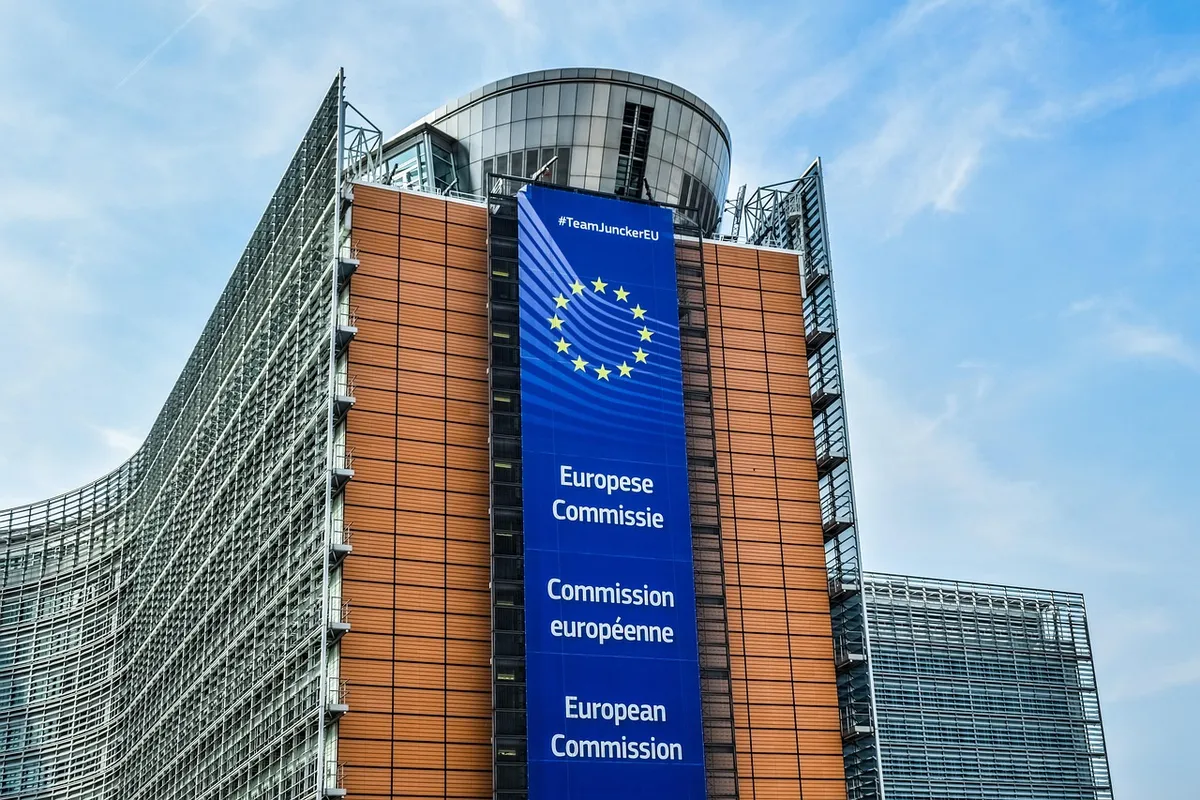
The potential for AI ad legal issues becomes clear when examining how synthetic media is used in political messaging. In April 2023, the Republican National Committee released an attack ad made entirely with AI-generated images depicting a dystopian future under Joe Biden's re-election.
This instance highlighted how easily visual falsehoods can be integrated into professional campaigns.
Such tactics raise significant questions regarding Generative AI rights and the truthfulness of political discourse. When voters cannot distinguish between captured reality and generated fiction, the foundation of informed consent is challenged.
Regulators are now looking closely at how to label such content to prevent mass deception.
Nevertheless, these risks are less pronounced when the AI-generated content is used solely for internal administrative purposes rather than public campaigning.
How do we manage Generative AI rights for professional creators?
A creative director reviews a folder of assets, wondering which images can be legally used in a global campaign. The transition from traditional photography to prompt-based generation requires a new set of organizational protocols.
Managing Generative AI rights involves understanding the distinction between human-authored and machine-generated elements. If an agency uses an AI tool to generate a base image, they must determine if that image is eligible for protection.
This uncertainty can lead to significant litigation if a brand claims ownership over an asset that is legally unprotectable.
Adopting an Ethical AI advertising guide can help agencies navigate these murky waters. By establishing clear internal policies, companies can ensure they are not inadvertently infringing on existing copyrights.
Transparency with clients regarding the use of synthetic media is becoming a standard industry requirement.
However, these management strategies may prove insufficient if the underlying training data lacks clear licensing agreements.
What is the impact of global AI ad regulations on marketing?
A legal team pores over a thick stack of documents, cross-referencing new digital laws with current production workflows. As different countries implement unique rules, the global nature of advertising faces a fragmented regulatory landscape.
The development of global AI ad regulations is moving at different speeds across various jurisdictions. Some regions may require mandatory watermarking of all synthetic content, while others focus on the transparency of the training data.
This fragmentation means a single campaign might be legal in one country but violate disclosure laws in another.
Navigating these shifts requires constant vigilance and a willingness to adapt creative workflows. Companies that fail to keep pace with changing legal standards risk heavy fines and reputgation damage.
Constant monitoring of international intellectual property laws is no longer optional for global brands.
Yet, the impact of these regulations may be minimal in regions where local laws do not yet address synthetic media.
How can businesses ensure compliance with shifting standards?
A compliance officer checks the metadata of a newly uploaded video file to ensure all AI-generated components are properly tagged. This meticulous verification process is becoming a daily task for digital marketing departments.
To maintain compliance, businesses should follow these structured steps:
- Audit all incoming AI-generated assets to identify the level of human intervention versus machine output. 2. Maintain a detailed log of all prompts and iterative steps used to create high-stakes visual content. 3. Verify that the AI tools used do not utilize datasets that are currently under legal dispute.
After completing these steps, perform a final check to ensure all assets meet the specific disclosure requirements of the target market. I found that keeping a clear paper trail of the creative process was the most effective way to defend our work during internal audits.
- Monitor emerging regulatory frameworks in key operational markets.
- Implement internal auditing processes for all AI-generated marketing assets.
- Update legal documentation to reflect current technological standards.
Related
- AI ad tech monopoly trends guide market dominance 80%
- AI governance ad trust: Guide to corporate oversight
When does the line between human input and machine execution become legally significant?
When the line between human creativity and algorithmic output is blurring, the legal significance pivots on the degree of human direction provided to the generative system. If the human input merely suggests a broad theme, the resulting image might lack the necessary creative spark for protection. Conversely, detailed, iterative prompting suggests a more substantial human contribution to the final asset.
This distinction is crucial because current legal frameworks scrutinize the human element to assign copyright. The extent to which a designer refines the AI's initial output influences the argument for ownership.
A simple text prompt versus extensive in-painting and style adjustments represents a key comparison in this area.
Agencies must carefully document these levels of intervention. Documenting the process helps demonstrate that the human operator exerted sufficient creative control over the final product. This documentation serves as evidence when challenging the machine's autonomous contribution to the work.
However, the distinction becomes less critical in cases where the output is considered purely functional rather than expressive.







Comments 0