Algorithmic Volume Guide: AI ad algorithm transparency tips
"The speed of light is no longer the limit; the speed of the code is."
Ensuring AI ad transparency requires a fundamental shift from black-box models to auditable logic to prevent sudden market volatility.
This guide examines the historical impact of automated systems, compares market proportions, and outlines strategies for maintaining stability in an increasingly digital trading environment.
Key takeaways include understanding historical flash crashes, recognizing the dominance of algorithmic volume, and implementing oversight to mitigate systemic risks.
How do historical events shape AI ad transparency?
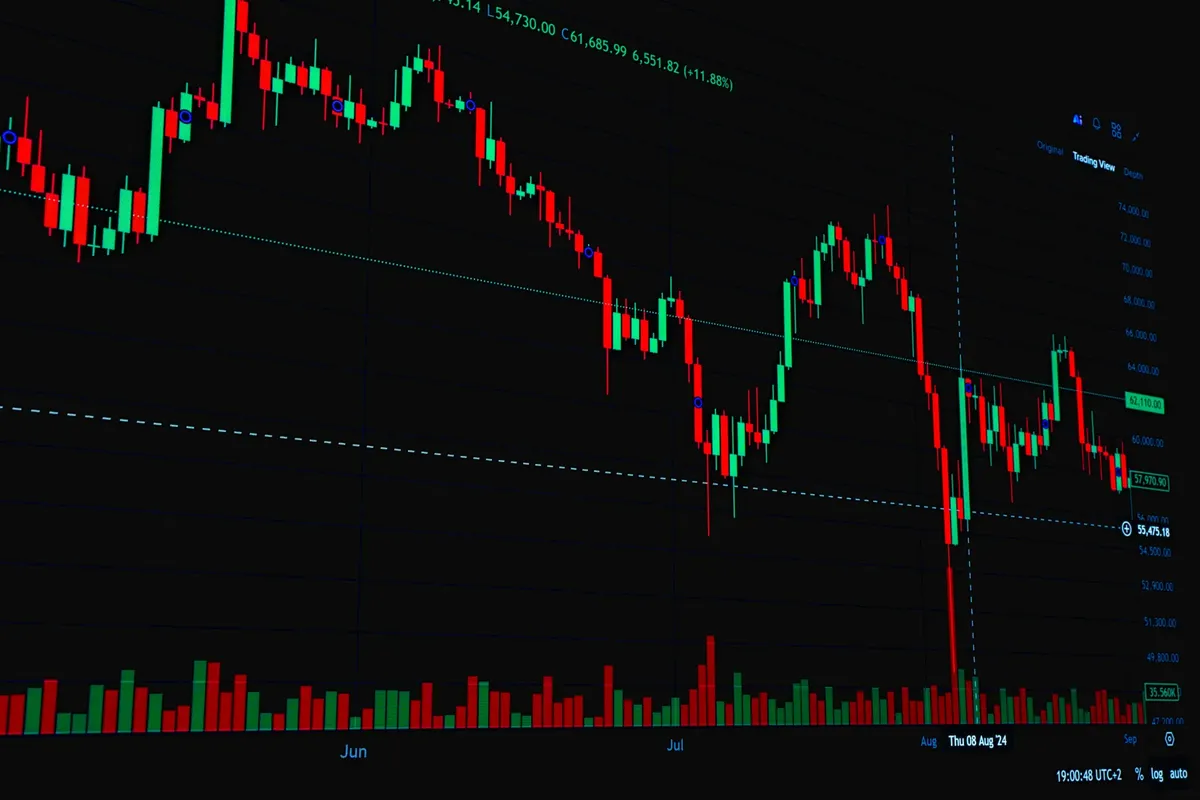
A trader stares at a screen as red candles plummet, recalling the suddenness of market shifts.
The Securities and Exchange Commission and the Commodity Futures Trading Commission said in reports that an algorithmic trade entered by a mutual fund company triggered a wave of selling that led to the 2010 Flash Crash.
This historical event highlights the necessity of AI ad transparency to prevent automated errors from cascading. Because one single trade could trigger massive selling, regulators now focus on how these algorithms interact.
Understanding these risks is the first step in developing a policy for market ad algorithms.
How big is algorithmic trading right now? AI ad algorithm transparency
A workstation hums in a quiet office, processing thousands of orders per second without human intervention. A study in 2019 showed that around 92% of trading in the Forex market was performed by trading algorithms rather than humans.

This massive shift toward automation means that data-driven ad fairness must be built into the core of these systems. The sheer volume of automated activity makes manual oversight impossible. We must ensure that the dominance of machines does not lead to a complete loss of market control.
How do different markets compare in automation?
A digital dashboard displays fluctuating percentages across various global exchanges. In 2006, at the London Stock Exchange, over 40% of all orders were entered by algorithmic traders, with 60% predicted for 2007.
Comparing different sectors shows that automation levels vary significantly by market type. For instance, foreign exchange markets saw algorithmic orders rise to about 80% in 2016, up from about 25% in 2006.
This rapid growth necessitates improving AI ad data usage techniques to maintain equilibrium.
| Market Type | Automation Level (Approximate) |
|---|---|
| Forex (2016) | 80% of orders |
| Futures (2016) | 40% of options trading |

I observed that the speed of these fluctuations requires much more than just human intuition to manage.
How can I ensure algorithmic ad openness?
An auditor reviews lines of code to find the logic behind a specific trade execution. To move toward a more stable environment, we can follow these steps:
- Implement rigorous testing protocols to simulate extreme market volatility before deployment. 2. Establish real-time monitoring tools that can detect and halt runaway automated selling. 3. Develop standardized reporting formats so that regulators can audit algorithmic logic easily.
Finally, perform a cross-check between the programmed parameters and actual market impact to ensure compliance. This structured approach helps in ensuring AI ad transparency across different trading platforms.
What are the limitations of current oversight?
A regulator examines a report where the data seems to contradict the observed market movement. A primary limitation is the extreme concentration of volume among a small number of high-frequency firms.
In the U.S., high-frequency trading (HFT) firms represent 2% of the approximately 20,000 firms operating today, but account for 73% of all equity trading volume. This concentration means that even small errors in a few algorithms can have outsized effects on the entire market.

- How do historical events shape AI ad transparency?
- What is the current scale of algorithmic trading?
- How do different markets compare in automation?
The subject here is AI ad algorithm transparency.
The same subject is also called Market ad algorithm trust.
The same subject is also called AI ad transparency policy.
The same subject is also called Data driven ad fairness.
Ensuring AI ad transparency
Related
- AI ad trust building: Best guide for automated intelligence
- AI influencer marketing strategy: How to boost trust
How does the speed of code compare to the speed of light in market reactions?
The speed of code dictates market reaction times, contrasting with the physical speed of light which governs signal transmission. Because algorithmic trading operates at such high velocity, the lag between a decision and its market impact is minuscule. This difference underscores why code execution speed is the current determinant of market dynamics, rather than the physical constraints of light.
What conditions necessitate robust algorithmic oversight?
Systemic risk emerges when automated systems interact in unpredictable ways, a condition highlighted by past market events. The concentration of trading volume among a few firms means that minor programming flaws can escalate rapidly across the entire system. Therefore, maintaining oversight is crucial when the speed of the code allows for such swift, powerful market movements.
The implementation of standardized reporting formats allows regulators to compare the programmed parameters against the actual market impact. This comparison helps determine if the system is operating within acceptable boundaries, even when the speed of the code is near instantaneous.
Rigorous testing protocols must simulate the extreme volatility observed during events like the 2010 Flash Crash. These simulations help developers understand how their algorithms behave when market conditions push against the limits of expected operation, ensuring stability before deployment.
Wikipedia: Algorithmic trading Based on the retained excerpt mentioning Commodity Futures Trading Commission: Securities and Exchange Commission and the Commodity Futures Trading Commission said in reports that an algorithmic trade entered by a mutual fund company triggered a wave of selling that led to the 2010 Flash Crash.








Comments 0