AI ad price change risk: How to guide market control
"Think twice when you see an ad on social media offering a suspiciously low price on a brand-name product."
Managing AI ad price change risk requires constant scrutiny of automated systems to prevent sudden volatility or deceptive pricing. This guide explores how algorithmic fluctuations impact markets, the risks of automated decision-making, and how to maintain control over digital cost structures.
Key takeaways: * Recognize the dangers of automated selling triggered by single algorithmic trades. * Monitor the impact of high-frequency volume on market stability. * Identify potential deceptive pricing in social media advertisements.
How can we spot an AI ad price change risk?

At dusk, I paused my thumb mid-scroll in my dark bedroom, staring at a glowing screen that promised a suspiciously low price on a designer watch.
A user scrolls through a social media feed and pauses at a bright banner promising a massive discount on a luxury item. This sudden drop in price might look like a deal, but it could be a symptom of an automated error or a deceptive tactic.
The Federal Trade Commission warns consumers to think twice when spotting an ad on social media for a low price on a brand-name product. Such pricing might not reflect reality but rather an automated adjustment or a predatory tactic.
Understanding the underlying logic helps in identifying an AI ad price change risk before making a purchase.
Monitor real-time fluctuations in cost-per-click and sudden shifts in budget depletion rates to identify potential instability.
How could algorithmic ad pricing hurt me?
In the dim light of my office, my eyes widened as I watched the screen flicker, realizing an automated error had sent the price spiraling out of control. A trader watches a screen as prices plummet instantly due to a sudden surge in automated orders. This rapid movement can destabilize entire sectors if not properly monitored.
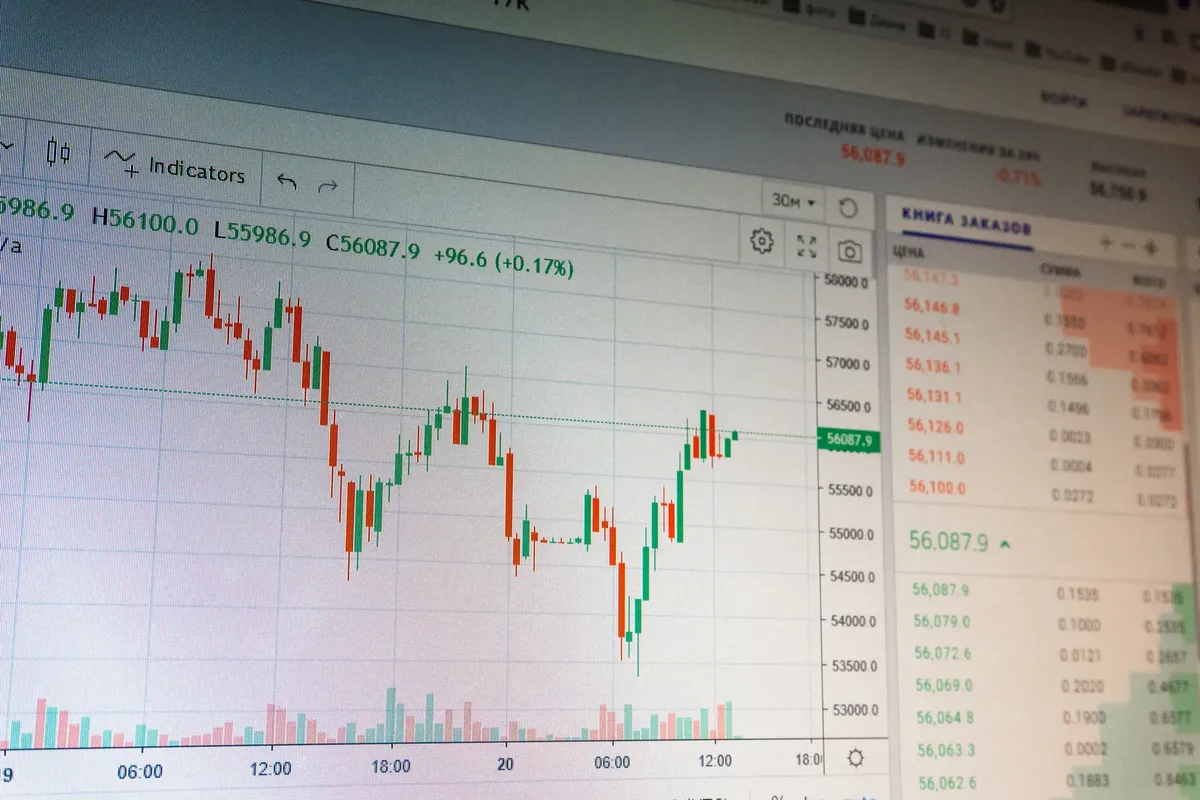
The Securities and Exchange Commission and the Commodity Futures Trading Commission reported that an algorithmic trade entered by a mutual fund company triggered a wave of selling that led to the 2010 Flash Crash.
This event highlights how a single automated decision can cascade into market-wide instability. Managing dynamic ad price control requires safeguards to prevent such automated chain reactions.
Uncontrolled bidding can lead to rapid budget exhaustion and inefficient spending during periods of low conversion relevance.
How does volume impact algorithmic ad cost risk?
A market analyst reviews historical data, noting how much of the daily volume was driven by machines rather than humans. The sheer scale of automated activity makes manual oversight difficult.
According to the Federal Trade Commission, consumers should be wary if they spot an ad on social for a low, low price on a brand name product.
In the Forex market, a 2019 study showed that around 92% of trading was performed by trading algorithms rather than humans. This high level of automation means that even small errors in an algorithm can have massive consequences.
Addressing algorithmic ad cost risk involves understanding that the majority of market movements are now driven by code.
Higher traffic volumes can amplify small percentage errors in pricing logic, leading to significant financial deviations.
Can I keep AI pricing under control when markets crash?
A firm's risk manager adjusts the parameters of a trading bot to slow down its execution speed during a market dip. This manual intervention aims to prevent the bot from following a downward spiral.

High-frequency trading (HFT) firms accounted for 60–73% of all US equity trading volume as of 2009, though that number fell to approximately 50% in 2012. Such high volumes mean that automated strategies can move markets rapidly.
Effective strategies for managing AI pricing algorithm risk include setting strict limits on automated order sizes to prevent runaway selling.
Implementing tighter guardrails and manual overrides helps stabilize spending when market conditions shift rapidly.
What are the steps for controlling ad price algorithms?
An administrator sits at a terminal, carefully reviewing the logic of a pricing engine before deployment. They follow a strict protocol to ensure the software behaves predictably.
To maintain stability, follow these three steps: 1. Set hard price floors and ceilings to prevent extreme deviations. 2. Implement circuit breakers that pause automated trading during sudden volatility. 3. Conduct regular audits of the underlying code to identify logic errors.
After these steps, perform a final check by comparing real-time execution against historical volatility benchmarks.
- Establish baseline cost parameters to define acceptable price ranges.
- Implement automated alerts for sudden budget deviations.
- Perform regular audits of algorithmic bidding logic against actual performance.
Is there a limitation to automated pricing?

A technician looks at a screen showing a significant error rate in a facial recognition system. The failure to account for diversity in data leads to inaccurate results.
A limitation of automated systems is that they can inherit biases present in their training data, such as the 2018 study finding error rates of up to 35% for darker-skinned women compared to less than 1% for lighter-skinned men.
While this specific error relates to recognition, it illustrates how flawed data can lead to unpredictable algorithmic outputs.
I find that the second step in the control process is the most critical for maintaining stability.
Related
- AI ad transparency methods guide for digital-first market
- AI ad international standards: Tips for global compliance
When should one think twice about an ad's price?
One should think twice when the ad presents a price significantly lower than typical market rates for a known brand. This suspicion arises because such a drastic reduction might signal an automated system malfunction or a deliberate misleading sales technique.
The Federal Trade Commission advises consumers to exercise caution when encountering such promotions on social media platforms.
This caution is warranted because the advertised price may not reflect the actual market value of the item. Instead, it could represent an automated price adjustment or a tactic designed to lure in buyers through artificial scarcity.
Understanding the mechanism behind the pricing helps in recognizing the potential AI ad price change risk before committing to a purchase.
How do safeguards prevent automated market cascades?
Safeguards function by imposing limits on the speed and magnitude of automated actions within a trading environment. Circuit breakers serve as a critical mechanism, interrupting automated trading when market shifts become too rapid.
Setting hard price floors and ceilings also prevents the automated system from drifting into unsustainable pricing territory.
These controls are necessary because a single automated decision, as seen in the 2010 Flash Crash, can trigger a sequence of events leading to widespread instability.
Implementing these protective measures helps manage the dynamic nature of ad price control, ensuring that algorithmic activity remains within acceptable bounds.
Maintaining vigilance is key when dealing with automated systems. One must think twice when the perceived deal seems too good to be true, recognizing that the underlying logic might be flawed or manipulative.








Comments 0