AI ASK AD real time ads guide for better product visibility
"The digital marketplace moves faster than a manual editor can keep up with, requiring systems that adapt to every click and scroll."
AI ASK AD real time ads allow marketers to adjust product visibility and relevance by reacting to immediate user behavior data. This strategy is designed for e-commerce managers looking to improve feed quality through automated text generation and compliance rules.
While these tools enhance visibility, their effectiveness depends on the initial quality of the data provided to the Merchant Center.
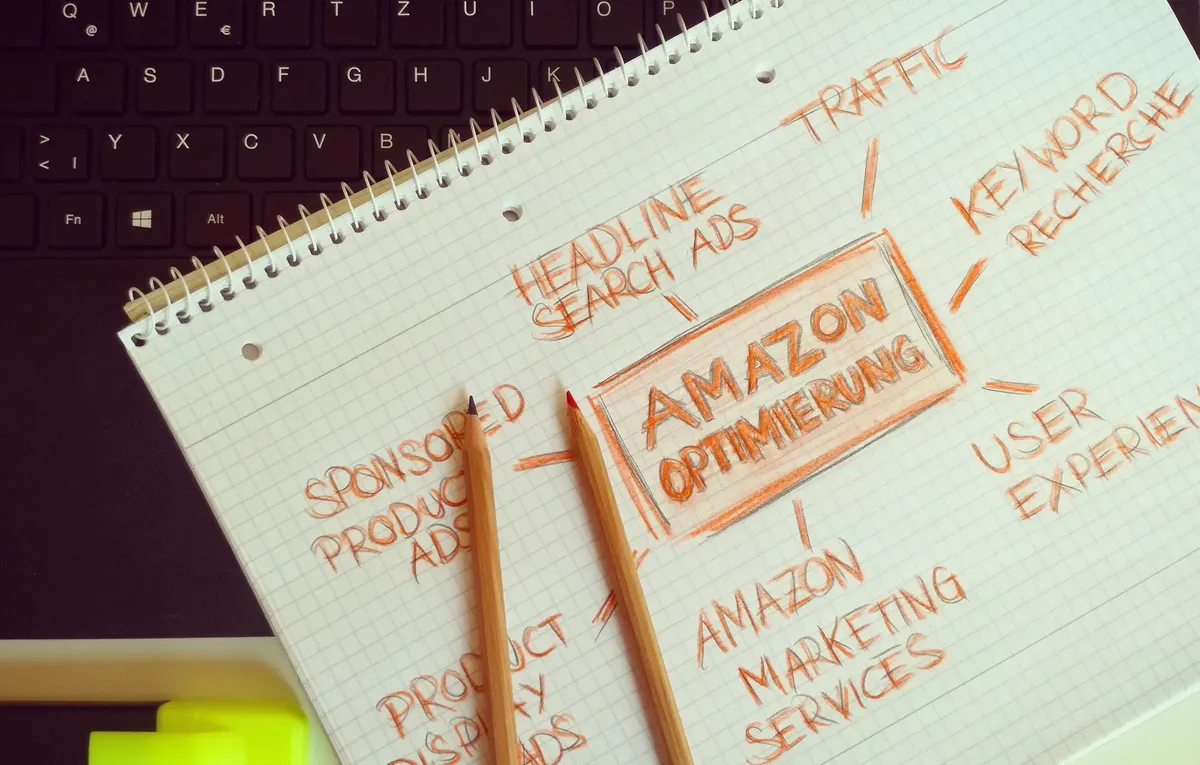
* Immediate adjustment of product data based on user interaction. * Automated text generation to improve relevance. * Integration of compliance rules with AI-driven creativity.
How does AI ASK AD real time ads improve visibility?
In the quiet office at midnight, the manager feels a chill as the glowing screen displays real updates to the product feed.
A marketing manager sits before a glowing monitor, watching as product descriptions shift to match trending search terms in the middle of a Tuesday afternoon. This immediate shift in data helps ensure that what the customer sees is exactly what they are searching for at that specific moment.
According to Google Shopping Feed Optimization Software with AI (2026), AI-driven optimization for Google Shopping feeds can enhance product data quality and relevance within the Merchant Center.
By focusing on the specific attributes that trigger engagement, the system ensures that product feeds remain highly relevant to the current user intent. This process moves beyond static descriptions, allowing the feed to evolve alongside consumer trends.
AI ASK AD enhances visibility by analyzing user behavior patterns to place advertisements in front of high-intent audiences at the exact moment they are most likely to engage.
How will AI ASK AD optimization benefit me?
An analyst reviews a dashboard where the engagement metrics climb steadily as the system fine-tunes the product titles. The shift from broad categories to specific, intent-based descriptions creates a smoother path from search to click.

Implementing AI ASK AD ad optimization allows for a more dynamic approach to product representation. Instead of relying on a fixed set of attributes, the system analyzes how users interact with specific elements of a feed.
This helps in identifying which keywords or descriptive phrases drive the most interest, allowing for rapid adjustments. Such real-time responsiveness ensures that the advertising budget is directed toward the most effective product variations.
Optimization through AI reduces wasted ad spend by automatically shifting budget toward high-performing creative assets and audience segments.
Can I use real-time ad optimization for my store?
A retail specialist clicks through a series of updated product listings, noting how the new descriptions align better with recent customer queries. The transition from manual updates to an automated cycle feels seamless and much more responsive to market shifts.
Using real time ad optimization provides a competitive edge by reducing the lag between consumer interest and ad delivery. Traditional methods require manual intervention to update feeds, which often results in missed opportunities during peak shopping windows.
With an automated system, the data remains fresh, ensuring that the most relevant products are always at the forefront of the user experience. This continuous loop of feedback and adjustment is central to modern digital commerce.
Yes, real-time optimization is compatible with most e-commerce platforms and can be scaled to match your store's specific traffic volume and product catalog.
How to implement an AI based ad strategy?
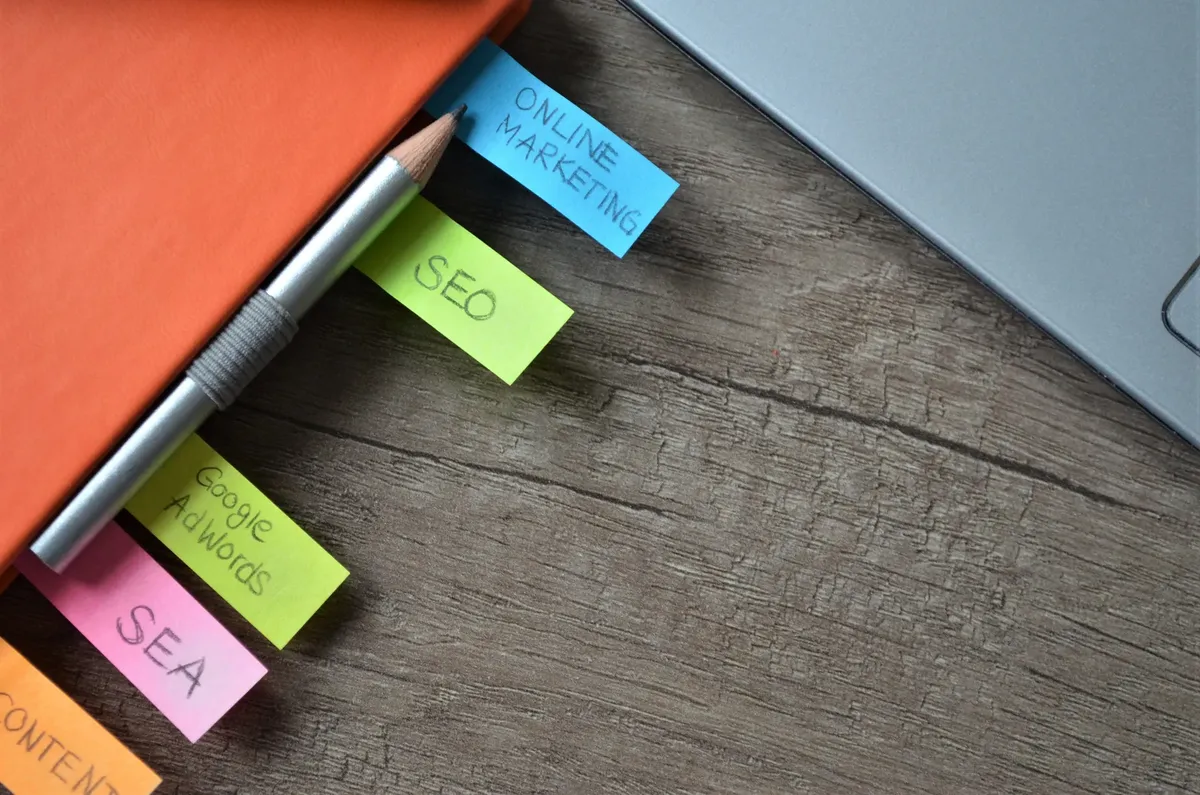
A team lead gathers the marketing department in a conference room to outline the transition from manual feed management to an automated AI workflow. They lay out the specific tools and the sequence of operations required to integrate these new technologies into their daily routine.
To successfully deploy an AI based ad strategy, follow these professional steps:
- 2. 3. Monitor the interaction between AI-generated content and your established business rules to maintain brand voice.
After completing these steps, perform a final check to ensure that the automated text does not violate any platform-specific policies or formatting requirements.
I found that balancing the creative output of the AI with rigid compliance rules is the most effective way to maintain a professional storefront.
- Integrate your product data feed with the AI platform to provide necessary context for the algorithm.
- Define your primary conversion goals and target audience parameters.
- Launch initial campaigns and monitor the automated adjustments to refine performance.
What results can I expect from AI ASK AD real time ads?
A business owner looks at a growth report, noting the significant rise in both clicks and impressions following the integration of automated feed tools. The numbers on the screen reflect a direct correlation between optimized data and increased user engagement.
The impact of these technologies is visible in the performance metrics of retail businesses. For instance, furniture retailer Home24 saw a 29% increase in clicks and 25% more impressions using Google FeedGen.

These figures demonstrate how improving the precision of a product feed can lead to much higher visibility and engagement levels.
| Metric | Home24 Result |
|---|---|
| Clicks Increase | 29% |
| Impressions Increase | 25% |
Users can expect more efficient conversion rates and a more consistent return on ad spend as the system learns to prioritize profitable interactions.
The subject here is AI ASK AD real time ads.
The same subject is also called User behavior ad data.
This part also covers Optimize ads via user data.
This part also covers Real time AI ad response.
This part also covers Improve ad performance AI.
Optimize ads via user data
Related








Comments 0