AI market ad targeting: Guide to consumer requirements
"Marketing is the activity, set of institutions, and processes for creating, communicating, delivering, and exchanging offerings that have value for customers, clients, partners, and society at large."
AI market ad targeting focuses on leveraging data to meet specific consumer needs through automated processes. This strategy utilizes user behavior to optimize engagement, scale reach, and drive measurable sales growth.
Key takeaways: * Marketing involves complex processes to create and deliver value to diverse stakeholders. * Effective targeting often relies on understanding customer requirements to ensure profitability. * Influencer engagement and social sharing play critical roles in modern outreach.
What is the core definition of marketing?
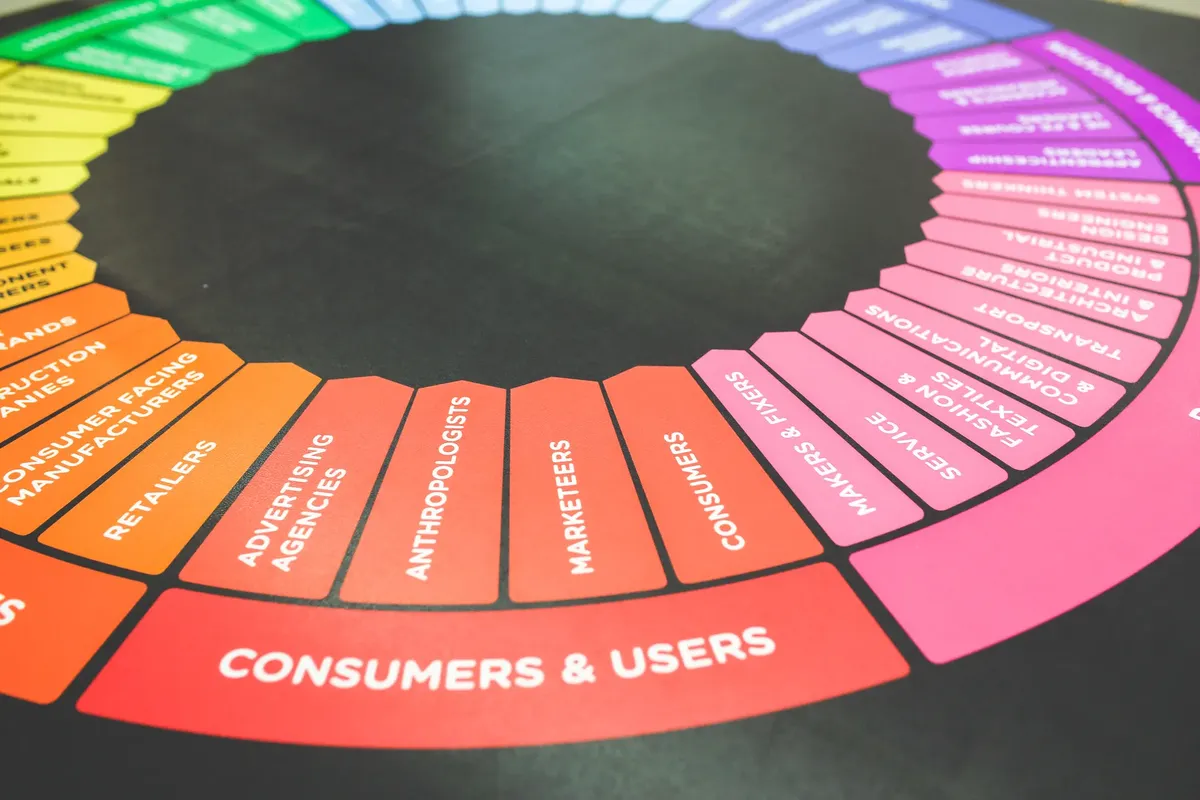
At dawn in the quiet office, she taps her pen against the desk while contemplating how to bridge the gap between a brand and the bustling market.
A marketing professional sits at a desk, reviewing various data streams to ensure every campaign reaches the right audience. This fundamental work involves understanding how value is exchanged between a brand and its audience.
According to the Chartered Institute of Marketing, marketing is defined as "the management process responsible for identifying, anticipating and satisfying customer requirements profitably".
According to the Association (AMA) as "the activity, the American Marketing Association (AMA) defines marketing as "the activity, set of institutions, and processes for creating, communicating, delivering, and exchanging offerings that have value for customers, clients, partners, and society at large".
According to the American Marketing Association (AMA), marketing is the activity, set of institutions, and processes for creating, communicating, delivering, and exchanging offerings that have value for customers, clients, partners, and society at large.
This broad definition highlights that the field is not just about selling a product, but about managing complex relationships and value propositions.
The Chartered Institute of Marketing offers a more customer-centric perspective. It defines the field as the management process responsible for identifying, anticipating, and satisfying customer requirements profitably.
This focus on the customer ensures that the strategies remain relevant to the people they serve.
Marketing is the strategic process of identifying customer needs and delivering value to meet them.
How does a company set long-term goals?
Late at night in the dim boardroom, he traces a line on the map to chart a path through the shifting market.

A strategist stares at a projected growth chart on a monitor, marking a specific target for the next decade. They must translate high-level visions into actionable data points to guide the team.
When a conglomerate or a group of companies plans for the future, they often establish specific growth targets. For instance, an objective might be to increase the group's sales by 25% over a ten-year period.
Setting such a milestone provides a clear direction for all departments involved in the marketing cycle.
These long-term objectives require consistent execution across different channels. Without a fixed target, it becomes difficult to measure whether the current tactics are moving the company toward its ultimate vision.
- Define the primary mission and vision.
- Identify target market segments.
- Establish measurable growth objectives.
Why is social sharing important in digital strategy?
A user scrolls through a news feed on a smartphone and taps the share button to send an interesting article to a friend. This quick action represents a massive shift in how information travels globally.
In the digital age, the way information spreads is often driven by individual user actions. A 2010 study found that 52% of people who view news online forward it on through social networks, email, or posts. This behavior demonstrates how content can move rapidly through digital ecosystems.
This viral potential means that content must be engaging enough to prompt a user to act. When people share information, they act as organic distributors for the message they are passing along.
In this sequence, the second step is the most critical.
How do influencers impact modern marketing?
A brand manager reviews a list of social media personalities, looking for the perfect match for a new product launch. They recognize that influence is a powerful tool for reaching specific demographics.

Companies must stay aware of shifting trends to remain competitive in the marketplace. Companies would be left behind if they neglected the trend of influencers in viral marketing, as over 60% of global brands used influencers in marketing in 2016.
This shift shows how much authority has moved toward digital personalities.
The impact of these individuals can be seen in how they connect with specific generations. For example, certain influencer partnerships created a deep connection with Gen Y, which dramatically increased sales by 11% compared with the previous year and increased market share by 1.6%.
Influencers bridge the gap between brands and niche communities through authentic engagement.
What role do celebrities and acquaintances play in trust?
A consumer looks at a product recommendation from a friend and feels a sense of confidence in the choice. This personal connection is often more powerful than a traditional advertisement.
The use of famous figures is a common tactic used to capture attention and build brand recognition. Based on a survey, 69% of company marketing departments and 74% of agencies in the UK were working with celebrities.
This demonstrates the scale of celebrity involvement in professional marketing efforts.
Beyond famous faces, the influence of personal networks is equally significant.
Nielsen reported that 80% of consumers appreciated a recommendation of their acquaintances, as they have reasons to trust in their friends delivering the messages without benefits and helping them reduce perceived risks behind choices.
Celebrities provide broad visibility, while acquaintances build high-level personal trust.
How can brands scale their influence?
An influencer looks at her growing follower count on a tablet, noting the surge in engagement from her latest post. The scale of digital reach can change a brand's trajectory overnight.

Using high-profile influencers can lead to massive reach and significant revenue. One example involves Aimee Song, who had over 3.6 million followers on her Instagram page and became a social media influencer for Laura Mercier, gaining $500,000 monthly.
- Identify the target demographic to ensure the influencer's audience aligns with the brand. 2. Establish clear communication channels to manage the partnership effectively. 3. Monitor engagement metrics to measure the success of the collaboration. 4. Perform a final check to ensure the brand's values align with the influencer's public persona.
I once observed a campaign where the influencer's reach perfectly matched the product's niche, leading to immediate engagement.
A limitation of these strategies is that they depend on the specific audience reach and engagement levels of the chosen influencer, which can vary significantly.
Brands scale by expanding their reach through automation and strategic partnerships.
Related








Comments 0