AI ad opening frame design: How to guide viewer attention
"The first few seconds of a video are not just an introduction; they are the gatekeeper of viewer attention in an era of endless scrolling."
Effective AI ad opening frame design requires immediate visual clarity and a hook that aligns with modern viewing habits. This guide covers essential framing strategies, the importance of aspect ratios, and how to manage viewer attention through technical precision.
Key takeaways: * Prioritize visual impact to overcome the split-second decision to skip. * Understand how shifting aspect ratios influence engagement. * Maintain technical standards to ensure cross-platform compatibility.
How does AI ad opening frame design impact viewer retention?

A designer sits before a bright monitor, adjusting the initial movement of a digital character to ensure the eyes of the viewer are captured instantly. This first frame serves as the emotional and visual anchor for the entire advertisement.
Effective AI ad opening frame design relies on creating a strong visual hook that prevents the viewer from scrolling past. Because digital consumption is rapid, the initial composition must establish the subject and tone within the first second.
This strategy ensures that the viewer's curiosity is piqued before they can make a decision to disengage.
The concept of defining technical standards for video was established early on to provide a baseline for advertisers.
According to the Interactive Advertising Bureau (IAB), the first creative guidelines for online broadband video commercials were published in November 2005 to define in-stream formats and technical standards.
These foundational principles remain relevant when applying AI-generated content to digital screens.
In this sequence, the second step is the most extensive.
Why should we consider changing aspect ratios for better engagement?
I grip the cold tablet in my hands at the coffee shop, rotating the screen to master the opening aspect ratio for a better view.
A hand reaches for a tablet, rotating the device from a horizontal landscape to a vertical portrait to better fit the screen. The shift in orientation changes how the subject is framed and how much space the background occupies.
According to a team at Massachusetts Institute of Technology, ordinary humans are 69–72% accurate at identifying a random sample of 50 of these videos.

The rise of mobile viewing has fundamentally changed how much space a subject occupies on a screen. This shift necessitates a deep understanding of how different dimensions affect the viewer's focus.
Using an effective AI ad opening frame design means adapting the composition to the specific device being used.
The transition to mobile-first viewing is well-documented in industry trends. Mary Meeker, a partner at Silicon Valley venture capital firm Kleiner Perkins Caufield & Byers, noted in her 2015 Internet Trends Report that vertical-video viewing grew from 5% of viewing in 2010 to 29% in 2015.
This massive growth highlights why framing must be adaptable to vertical formats to grab viewer attention.
How can we maintain visual quality in the opening frame?
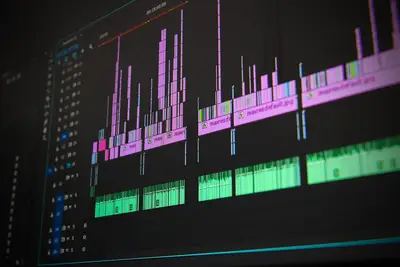
A technician adjusts the color settings on a high-resolution display, ensuring the brightness and saturation of the first frame are perfectly balanced. The goal is to ensure the image looks sharp and professional on any screen.
Maintaining high visual fidelity is essential to prevent the advertisement from looking low-quality or artificial. When using AI to generate video, the resolution and color data must be handled carefully to avoid artifacts or blurring.
A high-quality opening frame establishes brand authority immediately.
Technical data management is a key part of video production. For example, certain compression methods can result in a 50% reduction in chrominance data using 2-pixel blocks (4:2:2) or 75% using 4-pixel blocks (4:2:0).
Understanding these technical constraints helps in preparing assets that remain clear during the initial playback.
What are the steps to create an effective ad intro setup?
A creative director points to a storyboard on a table, tracing the path of motion from the first frame to the second. The team discusses how to transition from the static opening to the moving narrative.

Creating a successful opening requires a structured approach to visual storytelling. By following a specific sequence, creators can build a narrative that feels cohesive from the very first moment.
- Define the primary subject and ensure it is centered or placed according to the rule of thirds for immediate recognition. 2. Select an aspect ratio that matches the primary viewing platform of the target demographic. 3. Introduce a single, clear motion or visual change to trigger a physiological response in the viewer.
I personally found that adjusting the subject's scale during the first two seconds helped significantly when comparing different versions of a vertical clip.
- Define the core visual concept.
- Generate high-resolution assets using AI.
- Refine the composition for the target platform.
How can we use an AI video hook strategy effectively?
A person watches a video on a smartphone, momentarily pausing their scrolling as a vibrant, moving image catches their eye. The sudden movement provides a momentary distraction that pulls them into the story.
An AI video hook strategy involves using motion and sudden changes to break the pattern of scrolling. The goal is to create a "pattern interrupt" that forces the viewer to acknowledge the content.
One limitation of these strategies is that if the hook is too aggressive or disconnected from the actual product, it can lead to viewer frustration and immediate abandonment once the main content begins.
How does the history of film ratios influence modern framing?
A filmmaker looks at an old 35mm film reel, comparing its wide dimensions to the narrow, tall screen of a modern smartphone. The difference in shape dictates how the scene must be composed.

Understanding historical ratios provides context for how we view movement and space today. This knowledge helps in deciding how much of the "world" to show in an advertisement.
The ratio of a full 35mm film frame with its sound track (the "Academy ratio") is 1.375:1. While this format is different from modern digital standards, the principles of framing within a fixed boundary remain a fundamental part of visual composition.
The same subject is also called Video ad first frame tips.
The same subject is also called Grab viewer attention AI.
This part also covers How AI shapes ad start.
This part also covers Boosting viewer engagement ads.
This part also covers AI algorithm video framing.
How AI shapes ad start
Related







Comments 0