AI email marketing optimization: How to enhance data quality
"The digital landscape shifts as quickly as a single click, making static outreach obsolete in a world of instant connectivity."
Effective AI email marketing optimization requires a blend of data-driven precision and automated content refinement to maintain relevance across diverse devices.
To succeed, marketers must focus on enhancing data quality, adapting to mobile-centric habits, and integrating automated text generation with compliance rules.
This guide covers the essential strategies for scaling engagement, the importance of mobile responsiveness, and real-world performance improvements.
How can marketers implement AI email marketing optimization?

Late at night in the dim office, a weary marketer rubs tired eyes while adjusting the automated settings for an email.
A marketer sits before a glowing monitor, adjusting parameters to ensure automated content reaches the right inbox at the right time. Implementing AI email marketing optimization involves using intelligent algorithms to refine product data and communication timing.
The process begins by utilizing AI-driven tools to enhance data quality and relevance within specific merchant centers. This ensures that the information being pushed through automated channels remains accurate and high-quality.
In a professional workflow, AI generates optimized text while specific rules ensure compliance with platform standards, such as the Merchant Center.
The second step involves analyzing user behavior to tailor the message to specific demographic habits. These insights allow for more precise targeting, moving away from broad blasts toward individualized communication.
Finally, marketers must integrate these automated outputs into a cohesive multi-channel strategy.
Effective AI email marketing optimization relies on the synergy between creative automation and strict data governance.
- Integrate AI tools with existing CRM platforms to centralize data.
- Train algorithms using historical engagement metrics to identify patterns.
- Deploy automated testing to refine subject lines and send times.
Why is mobile responsiveness critical for AI email marketing optimization?

Walking through a crowded train station, a traveler squinted at a tiny screen while tapping a notification to open a distorted email.
A person walks through a busy transit station, glancing briefly at a smartphone to check a notification. Because 78% of the respondents in a study revealed that they check their email on their phone, mobile-first design is no longer optional.
The high frequency of mobile usage necessitates that all automated content be perfectly scaled for smaller screens. For instance, it was found that 30% of consumers use only their smartphone to check their email, and 91% were likely to check their email at least once per day on their smartphone.
If an AI-generated layout fails on a mobile device, the outreach loses its effectiveness immediately.
Optimizing for mobile means ensuring that text, images, and call-to-action buttons are legible and clickable on small touchscreens. This technical requirement must be a primary setting in any automated workflow.
In this sequence, the first step is the most vital.
What are the results of using AI email marketing optimization?
At noon in the bustling cafe, a satisfied client smiles as they tap a perfectly timed email on their smooth screen.
A retail manager reviews a dashboard showing a sudden upward trend in engagement metrics following a campaign launch. Measuring the impact of these strategies often reveals significant improvements in visibility and interaction.
According to research done by The Event Marketing Institute and Mosaic, 74% of consumers say that connecting with branded event marketing experiences is making them more likely to buy the products which are being promoted.

For instance, furniture retailer Home24 saw a 29% increase in clicks and 25% more impressions using Google FeedGen. This demonstrates how automated feed optimization can directly translate into higher traffic and better brand exposure.
Such results highlight the power of using specialized tools to manage complex data sets.
| Metric Type | Improvement Percentage |
|---|---|
| Clicks | 29% |
| Impressions | 25% |
I observed how these specific percentage increases can fundamentally change a brand's digital footprint through automated precision.
How do different age groups affect AI email marketing optimization?
A teenager scrolls rapidly through messaging apps, barely glancing at an inbox. Understanding demographic shifts is vital because younger users interact with digital communication differently than older generations.
A 2015 survey of Android users showed that persons 13 to 24 used messaging apps 3.5 times as much as those over 45, and were far less likely to use email. This means that AI-driven strategies must account for the lower email engagement among younger demographics.
Marketing automation must be adjusted to meet users where they actually spend their time.
Strategizing for an aging population requires different triggers and content lengths than a strategy aimed at digital natives.
What are the limitations of automated email strategies?
A technician monitors a server where a sudden influx of unwanted traffic threatens to clog the communication pipeline. While automation offers efficiency, it is not a universal solution for every communication challenge.
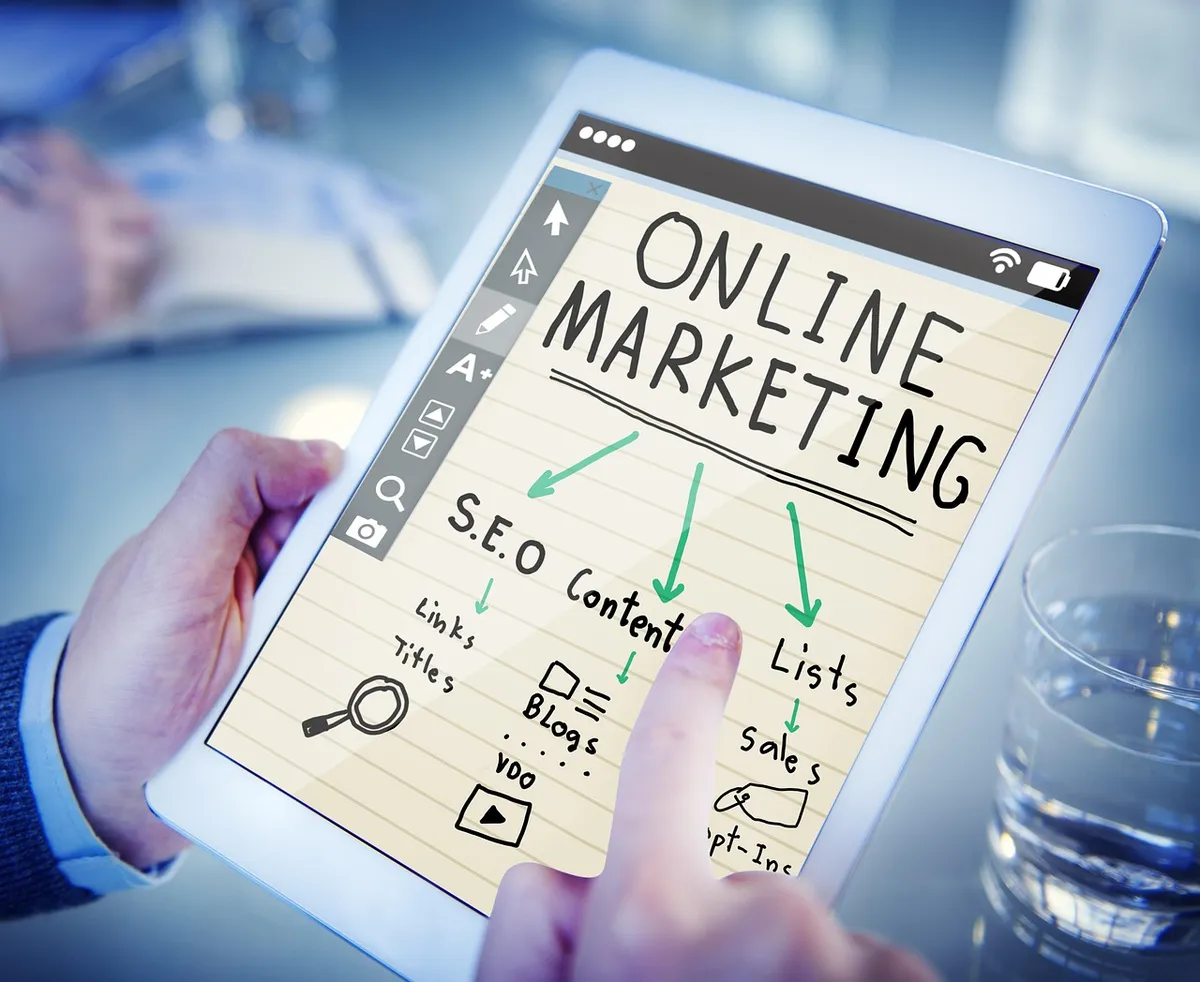
One limitation is that automation cannot fully account for the inherent volatility of user engagement across different regions and cultures. For example, in comparison to 75% of those consumers in the US who used it, only 17% in India did.
This disparity shows that a single global automation rule may not work effectively in every market.
The same subject is also called AI mail ad strategy.
The same subject is also called Optimize email ads AI.
The same subject is also called Data driven mail ads.
The same subject is also called Best AI email tactics.
This part also covers AI tools for email campaigns.
This part also covers Real case studies email ads.
This part also covers Improving mail ad results.
AI tools for email campaigns
Related
- AI social ad best practices: Guide to consumer research
- AI brand awareness metrics: Guide to modern strategy
How does the digital landscape impact automation?
A shifting digital landscape requires that automation rules remain flexible to accommodate changing user habits. If an automated workflow is too rigid, it may fail to account for the high frequency of mobile usage or the specific engagement patterns of different age groups.
- Analyze current data quality to ensure accuracy within merchant centers. 2. Adjust content length and triggers based on demographic habits. 3. Verify that all automated layouts are scaled for mobile devices.
Failure to account for these variables can lead to a loss of effectiveness, especially when targeting users who interact with messaging apps more frequently than email. Marketers must ensure that automated outputs are integrated into a cohesive strategy that addresses these specific conditions.




Comments 0