First frame video ad impact: Guide to visual framing
A single second of footage can define the success of a campaign.
The initial frame of a video advertisement acts as the main hook, capturing viewer attention before viewers skip or scroll. Understanding how to optimize this opening moment involves mastering visual framing and technical standards to ensure immediate engagement.
This guide covers how first frame video ad impact is established through strategic visual choices, the importance of technical guidelines, and how to avoid common pitfalls in the opening seconds.
How does the first frame video ad impact work?
At his desk, the designer squinted at the glowing monitor, wondering if the first frame would truly grab a viewer's attention.

A designer adjusts the brightness on a monitor, looking at a single still image that must stop a viewer in their tracks. The first frame acts as a psychological trigger that determines whether a viewer continues watching or moves on.
The first frame video ad impact is often decided by how information is presented to the brain. For instance, in a study on beef, people who ate beef labeled as 75% lean rated it more favorably than people whose beef was labeled 25% fat.
This suggests that the way a visual or text-based element is framed in the opening second can change the entire perception of the product.
Effective opening frame ad strategy relies on using these cognitive biases to create a positive initial impression. By presenting the most attractive aspect of a product immediately, advertisers can influence viewer sentiment.
This initial reaction sets the tone for the entire duration of the commercial.
The initial frame serves as the visual handshake that determines whether a viewer continues watching or scrolls past.
What are the technical standards for video advertising?
An editor aligns a digital timeline, ensuring the aspect ratio and resolution meet the specific requirements of a streaming platform. Technical precision in the opening frame ensures the video looks professional and fits the intended medium.
According to the Entertainment Software Association, "Looking ahead, a child born in 1995, E3's inaugural year, will be 19 years old in 2014."
As reported by The Interactive Advertising Bureau, the organization published its first creative guidelines for online broadband video commercials in November 2005, defining in-stream formats and technical standards for publishers and advertisers.
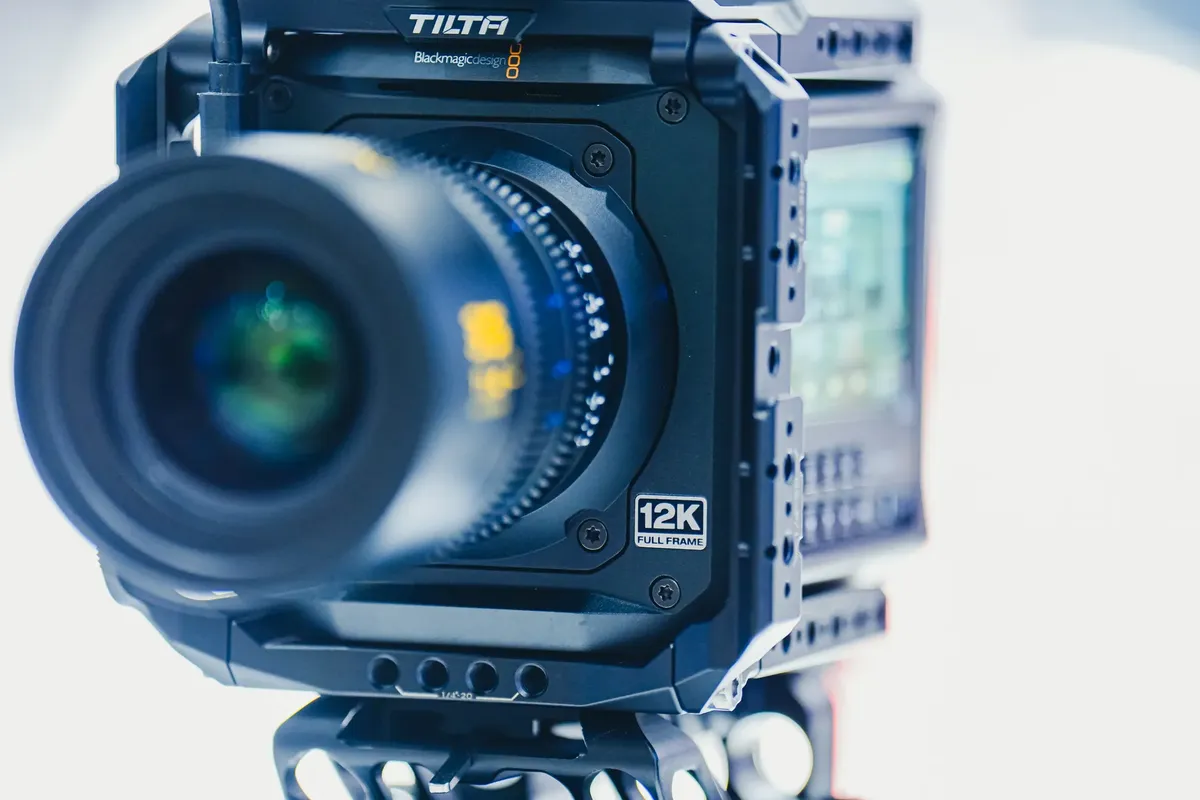
The Interactive Advertising Bureau (IAB) published its first creative guidelines for online broadband video commercials in November 2005, defining in-stream formats and technical standards for publishers and advertisers.
These standards help ensure that the first frame of an advertisement translates correctly across different devices and playback environments.
Following these established formats prevents visual distortion that could break the viewer's immersion. When the opening frame meets professional standards, it builds immediate credibility with the audience.
This technical foundation is essential for seamless playback across various digital channels.
Standard aspect ratios and high-resolution clarity ensure the opening frame remains impactful across all device types.
According to Massachusetts Institute of Technology, the 2021 record includes 72%.
How to optimize the opening frame ad strategy?
Late at night, she leaned toward the bright screen to refine the first frame of her new strategy.
A producer sits in a dark studio, reviewing the first few seconds of a high-definition clip to ensure the colors pop. To maximize engagement, the opening must be visually striking and relevant to the target audience.
Optimizing the opening frame requires a mix of visual hierarchy and timing. The goal is to deliver a clear message or a compelling visual hook within the first two seconds. This rapid delivery of value is necessary to compete in an era of short attention spans.
- Identify the most visually arresting element of your product or story. 2. Place that element front and center in the first frame to establish immediate context. 3. Ensure the visual quality is high enough to prevent the viewer from perceiving the ad as low-quality.

After these steps, perform a final check to ensure the transition from the first frame to the second is smooth and maintains the established momentum. I once watched a color grading session where a slight shift in the opening frame changed the entire mood of the brand.
- Identify the most visually striking element of your footage.
- Place that element in the center of the frame to capture immediate attention.
- Ensure the visual aligns with the core message of the advertisement.
What are the limitations of visual hooks?
A viewer quickly swipes past a bright, flashing advertisement on a smartphone. While a strong hook is necessary, it cannot compensate for a lack of substance in the rest of the video.
According to a team at Massachusetts Institute of Technology, a paper published in December 2021 demonstrated that ordinary humans are 69–72% accurate at identifying a random sample of 50 of these videos.
A limitation of relying solely on a powerful first frame is that it does not guarantee long-term engagement if the content fails to deliver on the initial promise. If the opening is too disconnected from the actual product or story, viewers may feel misled, leading to negative brand sentiment.
The effectiveness of a hook is also limited by the medium. A visual that works on a large television screen might lose its impact when scaled down to a small mobile device. Therefore, the opening must be optimized for the specific viewing environment.
A strong visual hook can sometimes overshadow the actual product if the transition to the main content is too abrupt.
How to boost ad performance start through framing?

A creative director points to a storyboard, highlighting the contrast between the opening shot and the subsequent scenes. Successful ads often use the first frame to set a specific emotional or thematic baseline.
Boosting performance starts with understanding the demographic being targeted. The growing video gamer demographic accounts for this trend, as former president of the Entertainment Software Association Douglas Lowenstein explained at the 10th E3 expo.
This demographic often expects high-quality, fast-paced visual openings.
Effective visual framing involves using composition to direct the eye. By using leading lines or centered subjects in the first frame, advertisers can control where the viewer looks. This control is vital for conveying a brand message instantly.
In this sequence, the second step is the most critical for maintaining engagement.
Related
- Video ad scene composition tips: Guide to visual structure
- Video Ad Hook Tips: How to Grab Viewers in 3 Seconds
When should the first second be used for a quick message?
When the campaign requires immediate comprehension, the first second should convey the core message succinctly. This rapid communication is necessary because viewer attention spans are brief, demanding instant clarity from the single second of footage.
Presenting the most crucial piece of information upfront aligns with the goal of influencing viewer sentiment immediately. This upfront delivery dictates the entire viewing experience, establishing the tone from the very first second.
- Determine the absolute minimum information required to communicate the product's value. 2. Design the visual to present this minimum information with maximum impact in the opening frame. 3. Test this initial delivery against the target audience's expected level of detail.
Use the first second for a quick message when your goal is to create an immediate emotional reaction or curiosity.
How does technical precision affect the single second?
Technical precision ensures that the visual impact established in the first second translates correctly across all viewing platforms. If the resolution or aspect ratio is incorrect, the intended visual framing can become distorted.
Adhering to guidelines from bodies like the Interactive Advertising Bureau prevents visual degradation, which undermines the credibility built in that initial moment. A technically flawed opening frame immediately signals a lack of professionalism to the viewer.
Proper technical alignment supports the cognitive trigger, allowing the intended message to register without distraction. This foundational aspect is what allows the single second to perform its psychological function effectively.








Comments 0