AI ASK AD first frame strategy for best engagement tips
An effective first frame in an AI-driven video advertisement serves as the critical hook that determines whether a viewer continues to watch or scrolls past. By utilizing an AI ASK AD first frame strategy, creators can optimize the initial visual impact to capture immediate attention through data-driven elements.
Key takeaways: 1. The first frame must establish a clear visual hook to prevent user drop-off. * An AI ASK AD first frame strategy focuses on immediate engagement through optimized visual composition. 2. Strategic alignment between the opening shot and the overall brand message is essential for conversion.
How to design an AI ASK AD first frame strategy?

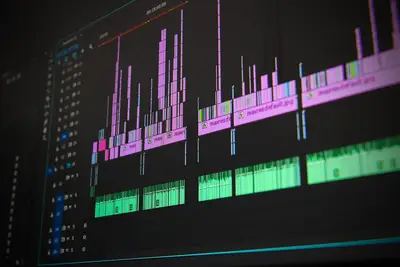
A designer sits at a glowing workstation, dragging a high-contrast image into a timeline to test how it hits the eye. The goal is to create a visual arrestor that stops the thumb from scrolling.
Because the first few milliseconds dictate viewer retention, the frame must act as a visual summary of the entire creative concept.
This initial visual tension creates curiosity, prompting the user to stay for the subsequent seconds of the video.
- Identify the core visual hook. 2. Input brand assets into the generative model. 3. Refine the output through iterative prompting.
What defines an AI video ad opening frame?
A creative director stares at a monitor, adjusting the brightness of a character's eyes to ensure they catch the light. The screen shows a split-test between two different opening shots.
It must be distinct enough to stand out in a crowded social media feed while remaining relevant to the target audience's interests.
If the opening is too cluttered, the viewer may feel overwhelmed and skip the content. Conversely, a frame that is too subtle might fail to trigger the necessary emotional or cognitive response required to sustain interest.
In this sequence, the first step defines the visual foundation.
Why is an AI based ad first shot important for engagement?
A producer reviews engagement metrics on a tablet, noting how quickly viewers drop off during the first three seconds of a clip. The data shows a sharp decline when the opening is static.

An AI based ad first shot acts as the gatekeeper for the rest of the video's content. It sets the tone, pace, and emotional resonance that will carry the viewer through the narrative arc.
By establishing a strong visual identity in the first shot, the brand builds a momentary sense of familiarity. This helps in bridging the gap between a random interruption and a meaningful brand encounter.
How does Video ad initial frame AI impact user reaction?
A marketing analyst looks at heatmaps that show where eyes linger on a video preview. The patterns change significantly when the opening shot uses different color palettes.
A Video ad initial frame AI approach uses predictive modeling to determine which visual elements are most likely to trigger a positive user reaction. These models analyze color, motion, and composition to suggest the most effective starting points.
Understanding the nuances of user reaction allows for more precise creative adjustments. When the initial frame aligns with predicted viewer behavior, the likelihood of a successful engagement increases significantly.
Can we use an AI ad first frame design to improve efficiency?
A studio manager looks at a production schedule, realizing that testing multiple opening frames is much faster than filming entirely new segments. The team uses templates to swap shots quickly.

An AI ad first frame design allows for rapid iteration and testing of different visual hooks without needing to re-shoot the entire advertisement. This capability enables brands to test various creative directions simultaneously.
By focusing on the opening, teams can optimize the most influential part of the video. This targeted approach ensures that resources are spent on the elements that drive the highest return on investment.
How to manage the limitations of automated creative?
A technician checks the rendering software, ensuring the AI-generated elements blend seamlessly with the live-action footage. The transition between the generated frame and the video body must be smooth.
According to Total Customer Service, they provided various methodologies such as fishbone diagramming, service charting, Total Customer Service (TCS), the service profit chain, service gaps analysis, the service encounter, strategic service vision, service mapping, and service teams.
Applying an automated strategy to the first frame requires a final manual check to ensure brand consistency and emotional authenticity.
- Review the visual continuity between the first frame and the second shot to prevent jarring transitions. 2. Verify that the AI-suggested elements do not create uncanny or unnatural visual artifacts. 3. Confirm that the visual hook remains truthful to the actual product or service being advertised. 4. Perform a final quality check to ensure the frame meets the technical specifications of the hosting platform.

I noticed during a recent test that a highly stylized AI-generated frame sometimes felt disconnected from the more grounded footage that followed, requiring manual adjustment.
A limitation of using these automated strategies is that they may occasionally produce visually striking but contextually irrelevant frames that fail to represent the brand's actual identity.
- An effective AI ASK AD first frame strategy requires a balance of high-contrast imagery and a clear subject that communicates the core value proposition instantly.
- The composition should lead the eye toward a central point of interest, ensuring the viewer understands the context without needing sound.
- An AI video ad opening frame functions as the digital handshake between the brand and the consumer.
Related
How does the effective first frame influence brand perception?
An effective first frame establishes the initial impression of the brand, which viewers often retain long after the advertisement concludes. The initial visual impact dictates whether the brand is perceived as innovative or generic. A strong opening shot immediately communicates the brand's intended tone, whether it is serious, playful, or sophisticated. This early perception heavily influences subsequent purchasing decisions.
When should a creator prioritize the effective first frame?
Creators should prioritize the effective first frame at the beginning of the creative development cycle. Since the initial frame is the primary determinant of viewer continuation, optimizing it early saves time later in the production process. Focusing on this element first allows subsequent creative decisions to build upon a solid, attention-grabbing foundation.
The strategic alignment between the opening shot and the overall brand message must be maintained throughout the entire video sequence. This consistency ensures that the initial promise made by the effective first frame is fulfilled by the content that follows.
Failure to maintain this alignment can undermine the initial positive impression.
When assessing the effectiveness of an AI-driven approach, creators must compare the data-driven suggestions against their established brand guidelines. The AI provides optimization paths, but human oversight ensures the final product retains necessary emotional resonance.
This comparison helps refine the AI's parameters for future iterations.






Comments 0