AI video ad scene tips: Guide to visual identity
"The visual language of advertising is shifting as automated tools redefine how we perceive reality on screen."
Effective AI video ad scene tips require a balance between technical precision and human emotional resonance to prevent viewer alienation. This guide covers scene composition, developer sentiment, and user reception to help creators navigate the transition to generative tools.
Key takeaways include understanding developer shifts, managing user skepticism, and adhering to established commercial standards.
How can developers master AI video ad scene tips?
A developer sits at a workstation, adjusting the lighting parameters of a digital character to match a flickering neon environment. This process requires understanding how to prompt visual consistency across different shots.

Effective AI video ad scene tips involve establishing a cohesive visual identity before the first frame is rendered. Because generative tools can produce unpredictable variations, creators must define color palettes and lighting schemas strictly.
This ensures that every generated clip feels like part of a singular narrative rather than a collection of disjointed clips.
An AI ad scene composition requires a strong foundation in traditional cinematography to guide the machine effectively. Without a clear shot list, the AI might produce movements that feel unnatural or jarring to the viewer.
By applying classic framing techniques, creators can direct the AI to produce more intentional and impactful results.
- Experiment with diverse prompt structures to refine visual consistency.
- Integrate AI tools into existing creative workflows rather than replacing them.
- Review output against brand guidelines to ensure stylistic alignment.
- In this sequence, the second step is the most comprehensive.
What is the current state of industry adoption?
The lead producer leans back in the office chair and sighs as the bright video plays on the screen during the afternoon.
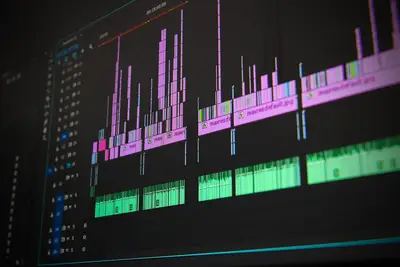
A developer reviews a project timeline, noting the increasing presence of automated workflows in their daily tasks. The industry is moving toward automation, but the human element remains central to the creative process.
The landscape of digital creation is changing rapidly as more professionals integrate new tools into their workflows. According to a 2025 report from the Game Developers Conference, 52% of 3,000 developers surveyed reported working at companies using GenAI.
This shift indicates that the technology is becoming a standard component of the production pipeline.

An AI-based video ads strategy often relies on these emerging workflows to speed up production. However, the transition is not without internal friction among professionals.
While the technology is widespread, the human sentiment regarding these tools remains a critical factor in successful implementation.
According to Massachusetts Institute of Technology, the 2021 record includes 72%.
How do professionals feel about these new tools?
A team lead discusses the new software implementation during a morning meeting, noting the varying reactions from the staff. The atmosphere in the office is a mix of excitement and apprehension.
Professional sentiment regarding automation is divided, reflecting the growing pains of a technological shift. According to a 2025 report from the Game Developers Conference, 30% of developers said they felt negatively about AI, compared to 18% the previous year.
This increase in negative sentiment suggests that the rapid pace of change is creating tension in the workplace.
Managing these feelings is part of an effective AI ad strategy tips approach. Leaders must address concerns about job security and creative autonomy to maintain a productive environment. Understanding these internal dynamics is just as important as mastering the technical side of video production.
What is the viewer's reaction to AI-generated content?
A viewer watches a video on a smartphone, squinting slightly at a movement that looks almost, but not quite, real. The sensation of the "uncanny valley" is a constant hurdle for digital creators.
According to a paper published by the Massachusetts Institute of Technology in December 2021, ordinary humans were found to be 69–72% accurate at identifying a random sample of 50 of these videos.
Audience reception is often much more skeptical than professional adoption rates might suggest.
A 2025 survey of gamers by Quantic Foundry found that 85% of respondents had a below-neutral attitude towards the use of GenAI in video games, with a highly-skewed 63% who selected the most negative response option.

This level of skepticism can significantly impact the effectiveness of an advertisement.
An AI ad scene design must account for this widespread negativity to avoid being dismissed by the audience. If the content feels too artificial, viewers may disengage entirely. Successful creators work to bridge the gap between high-tech generation and authentic emotional connection.
How do we balance innovation with established standards?
A technician checks the technical metadata of a video file to ensure it meets broadcast requirements. Adhering to industry standards ensures that new technology can be integrated into existing distribution networks.
Even with cutting-edge tools, creators must respect the frameworks that govern commercial media.
The Interactive Advertising Bureau (IAB) published its first creative guidelines for online broadband video commercials in November 2005, defining in-stream formats and technical standards for publishers and advertisers.
These foundational rules still apply to how digital content is packaged and delivered.
A video ad scene design should be built with these technical realities in mind. Using AI to create content that ignores standard aspect ratios or bitrates can lead to delivery failures. Integrating new technology within these established parameters ensures professional-grade output.
How can we measure comfort levels in the gaming industry?
A researcher looks over a series of charts tracking consumer sentiment over several years. The data shows a complex picture of how much users trust automated processes.
Consumer comfort levels vary significantly depending on how the technology is used within the medium.

In Bain & Company's 2026 gaming report, gamers' level of comfort with the game industry's use of AI in video games was questioned, with 14% saying they had become "significantly more comfortable" and 28% saying they had become "somewhat more comfortable." This shows that while a portion of the audience is open to change, a large segment remains cautious.
To navigate this, creators should follow these steps:
- Define the visual style to ensure consistency across all AI-generated scenes. 2. Apply traditional cinematography rules to ground the AI output in recognizable human movement. 3. Review all generated content against established industry technical standards to ensure compatibility.
A final check ensures that the emotional tone of the scene matches the intended brand message. I personally found that applying these steps helped bridge the gap between technical output and narrative depth.
It is important to note that these tips do not account for the specific nuances of different regional broadcasting laws.
Related







Comments 0